Note from the Editor: As we at NOAA Fisheries pause to spend time with family and friends and reflect on the American holiday of Thanksgiving, we also acknowledge the many families around our country who have experienced tragic losses and displacement that can be especially difficult this time of year. We are thankful for the many acts of kindness, heroism and contributions by so many who are helping families and communities recover.
HIGHLIGHTS

Summary of U.S. Efforts at the Annual ICCAT MeetingThe Meeting of the International Commission for the Conservation of Atlantic Tunas (ICCAT), held in Dubrovnik, Croatia, concluded this week. While the United States commends ICCAT's progress at this meeting on efforts to combat illegal, unregulated, and unreported (IUU) fishing, the Commission's lack of progress on key conservation measures is disappointing.

2019 Community-Based Restoration Grants –
Call for ApplicationsNOAA Fisheries announces the availability of up to $6 million in Community-Based Restoration Program funding for coastal and marine habitat restoration awards in 2019. Habitat restoration grants support sustainable fisheries, protected resources, and healthy ecosystems and resilient communities. Pre-proposals are due January 14.
Council Member Recusals – Open for CommentBy March 6, please submit your comments on NOAA Fisheries’ proposed changes to the regulatory procedures to make determinations on voting recusals of council members on the eight regional fishery management councils established under the Magnuson-Stevens Act. The regulatory changes will provide guidance on council members’ financial disclosures and recusal determinations.

Marine Fisheries Advisory Committee NominationsNOAA seeks nominations to fill vacancies on our Marine Fisheries Advisory Committee. MAFAC advises the Secretary of Commerce on living marine resource matters within the department's responsibility. Nominations for the 3-year terms are due December 24.
Alaska

Pollock Spawning Season May Shift Due to ClimateA new study using an unprecedented 32-year data series reveals that spawning time of Alaska pollock—target species of the nation’s biggest fishery—varied by as much as 3 weeks over the past 30 years in the Gulf of Alaska. The new study found clear evidence that the changes were driven by both climate and fishing.

Bowhead Whale Subsistence Hunt Catch LimitsNOAA Fisheries announces the availability of the final environmental impact statement assessing the impacts of issuing annual catch limits to the Alaska Eskimo Whaling Commission for a subsistence hunt on bowhead whales from 2019 onward. Alaska Natives hunt bowhead whales, regulated under the Whaling Convention Act and the International Whaling Commission, as the whales migrate in the spring and fall along the coast of Alaska.
West Coast

Oregon Authorized to Remove Sea Lions Near Willamette FallsNOAA Fisheries approved an application from the State of Oregon to lethally remove individually identifiable California sea lions in the vicinity of Willamette Falls that are having a significant negative impact on the recovery of Upper Willamette River spring-run Chinook salmon and winter-run steelhead. A last resort, lethal removal of sea lions is one component of a larger effort to protect and recover listed salmon and steelhead in the Willamette River.
Pacific Islands

An Army Vet's Experience on a NOAA ShipRetired Army veteran Roger White currently serves as an intern in the Science Operations Division of the Pacific Islands Fisheries Science Center. He takes the helm of the Center’s Science Blog for a post to describe his experience on a bottomfish survey aboard NOAA Ship Oscar Elton Sette.

NOAA Dehooks Three Monk Seals in Recent MonthsHawaiian monk seals and nearshore fishermen often share the same fishing grounds, which occasionally results in accidental and potentially life-threatening seal hookings. When fishermen, shore visitors, or volunteers act quickly to report seal hookings, NOAA and partners can often remove the hook successfully.
Southeast

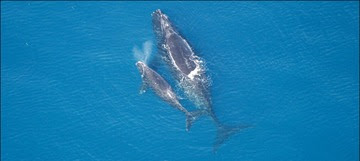
Watching for Right Whales More Important than EverNorth Atlantic right whales are on the move along the U.S. Atlantic coast. Following an unprecedented 20 right whale deaths documented in 2017 and 2018, NOAA Fisheries cautions boaters to give these endangered whales plenty of room as they migrate south.

Proposed For-Hire Reporting Requirements – Extended Comment PeriodBy January 9 (formerly November 26), please submit your comments on a proposed rule that would modify reporting requirements for vessels with charter vessel/headboat permits for Gulf reef fish or Gulf coastal migratory pelagic fisheries. The proposed rule implements the For-Hire Reporting Amendment, intended to improve data collection and fisheries management.
Greater Atlantic

Watch Out for Whales South of NantucketNOAA Fisheries established a voluntary vessel speed restriction zone to protect a group of four right whales sighted 21 nautical miles south of Nantucket on November 18. This zone is in effect through December 3.
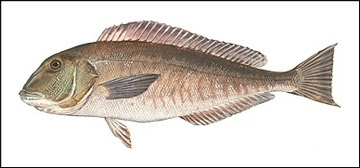
Proposed Blueline Tilefish Specifications – Open for Public CommentBy December 4, please submit your comments on proposed 2019–2021 quota specifications for the blueline tilefish fishery north of the Virginia/North Carolina border. The proposed total allowable landings (recreational plus commercial) are 15 percent higher than 2018 catch limits.

Approving New Gear for Small-Mesh Fisheries –
Open for Public CommentBy December 17, please submit your comments on a proposal to approve a new selective trawl gear—the large-mesh belly panel—for small-mesh commercial groundfish vessels subject to the Georges Bank yellowtail flounder accountability measure. The proposed gear significantly reduces flatfish bycatch and provides additional flexibility for trawl vessels in the accountability measure areas.

Chub Mackerel Amendment – Open for CommentBy January 18, please submit your comments on the Mid-Atlantic Fishery Management Council’s draft amendment to address management and conservation of chub mackerel off the U.S. East Coast. The amendment would add chub mackerel as a fish stock managed under the Mackerel, Squid, and Butterfish Fishery Management Plan.
| 


No comments:
Post a Comment