| | Website | A message from UF/IFAS Communications | Reply
| | | |
 |
| | | For the week beginning January 30, 2023
| |
| | | |
| | |
TIMELY NEWS | A record-shattering University of Florida class of American Association for the Advancement of Science (AAAS) fellows includes 11 faculty members from UF/IFAS departments, which also sets a new record. Contact us about this topic >
| | |
| | | |
| |
| | |
Below are the most recent research, programs, events and more from UF/IFAS. We can help you cover and localize news to your area; just use the contact links below or reply to this email.
 | Silver nanoparticles show promise in fighting antibiotic-resistant bacteria The researchers hope to turn the discovery into a viable treatment for some types of antibiotic-resistant infections, which kill more than a million people globally each year. Contact > |
|  | Florida leads the world in caladium bulb production, thanks to UF/IFAS science The Sunshine State serves as the sole source of caladium bulbs for the world, and since 1976, UF/IFAS researchers have been breeding varieties of this ornamental. Download here > Contact > |
| 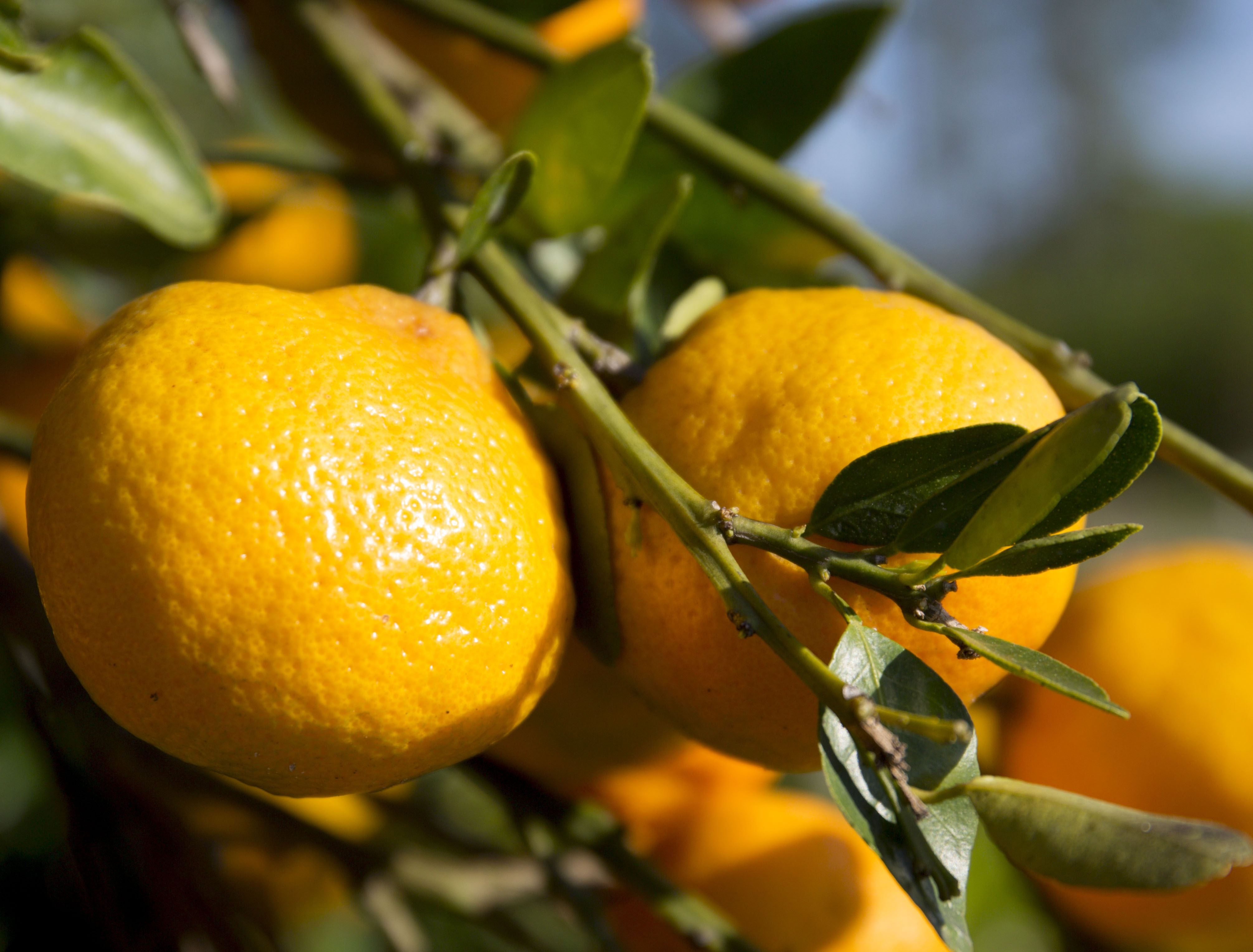 | Citrus program for home gardeners launches The UF/IFAS Citrus in the Home Landscape initiative supports home gardeners with updated how-to guides, videos and training in the era of citrus greening disease, also known as Huanglongbing or HLB. Download here > Contact > |
|  | Be aware of these common toxic plants, experts say Florida’s subtropical climate supports a vast number of plant species. Unfortunately, this means numerous poisonous plant species thrive here, too. A new UF/IFAS publication helps identify the most common toxic plants in Florida. Contact > |
|  | New global ecologist to address biodiversity in South Florida and beyond Stationed at the UF/IFAS Fort Lauderdale Research and Education Center, Corey Callaghan aims to understand and find solutions to global problems in urban environments that impact the sustainability of species variety. Download here > Contact > |
|  | Controlling smutgrass, which can take over pastures and cost ranchers plenty Smutgrass can spread quickly and take over grazing lands, leaving cattle with little left to eat. For newly published research, scientists use artificial intelligence to identify and help control the invasive weed. Download here > Contact > |
| | |
| |
| | | | | |
| | | FOOD IS OUR MIDDLE NAME | The latest in food news.
| | |
| |
| | | | | |
| | | MEDIA OPPORTUNITIES | Coming next week. | | |
| | | | | |
| |
| | | | | |
| | | | | |
| | | |
| | | |
| | | |
| | | Visit the UF/IFAS Newsroom
Find B-roll, photos and more for your coverage needs at ifas.ufl.edu/newsroom. | | |
| | | | | |
| |
| | | |
| |





No comments:
Post a Comment